
Sewer Backup in Your Home
Wastewater coming back into your home is a serious plumbing emergency.
A sewer backup occurs when wastewater can’t flow out through the main sewer line and instead backs up into sinks, tubs, or toilets. This problem can happen suddenly and creates unsanitary conditions that require immediate attention. Prompt service helps limit damage and restore proper drainage.
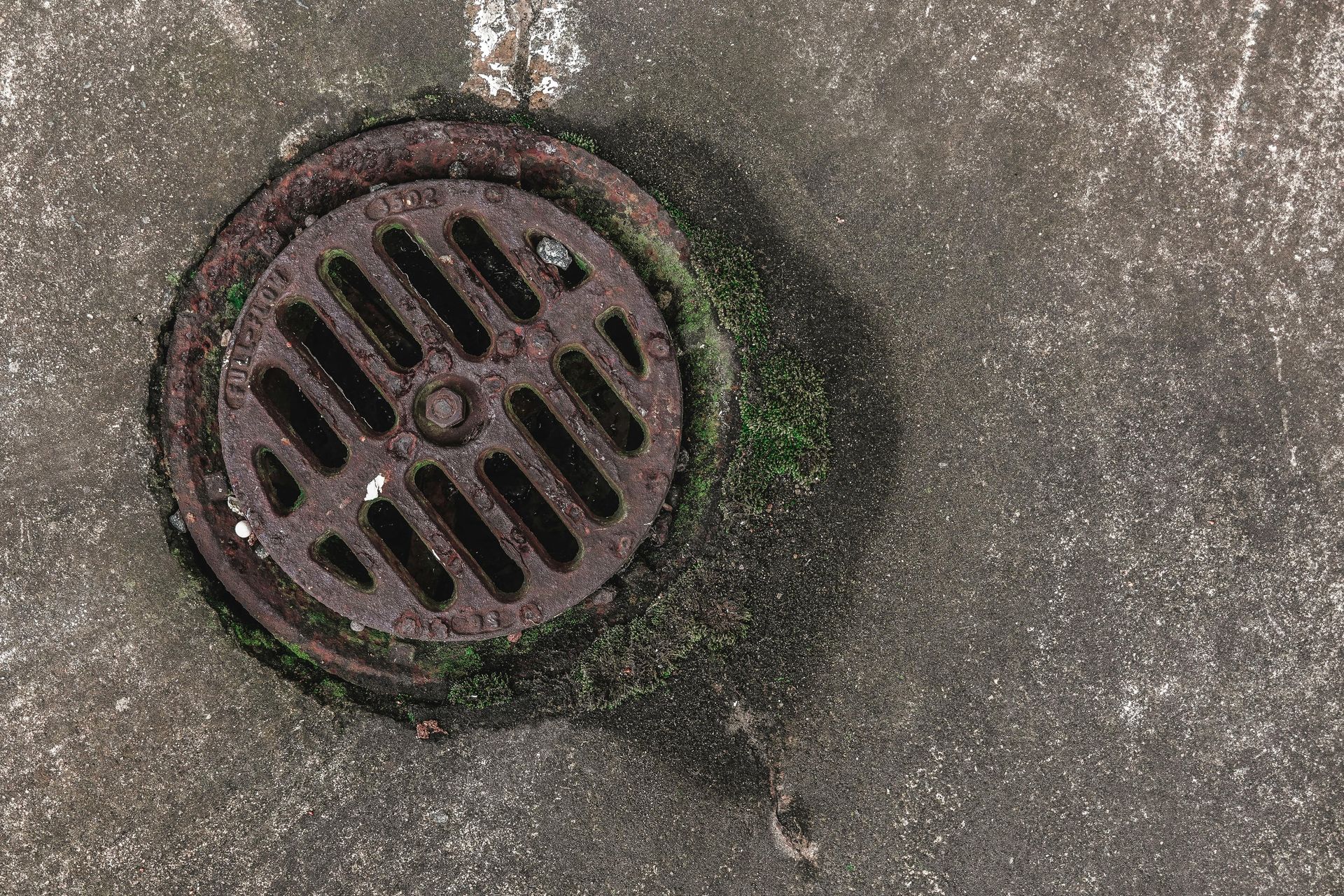
What Causes Sewer Lines to Back Up
Sewer backups are commonly caused by grease buildup, debris, tree roots, or damaged sewer pipes. Aging infrastructure and heavy usage can worsen existing blockages. When the main sewer line is obstructed, wastewater has nowhere to go but back into the home.
Why Sewer Backups Require Immediate Action
Sewer backups pose health risks due to exposure to contaminated water and bacteria. Delaying service can result in extensive property damage and lingering odors. Professional sewer service is essential to safely clear the blockage and prevent further issues.
What causes sewer backups in homes?
Common causes include grease buildup, tree roots, debris, and collapsed or aging sewer lines.
Is a sewer backup dangerous?
Yes. Sewer water contains harmful bacteria and contaminants that can pose serious health risks.
Should I try to clear a sewer backup myself?
No. DIY attempts can worsen the problem and increase health risks. Professional equipment is required.
Can sewer backups happen again?
They can if the underlying issue isn’t fully resolved. Proper inspection and repair help prevent recurrence.
What should I do immediately if I have a sewer backup?
Stop using water in the home and contact a professional plumber right away.
Sewer backups rarely resolve without professional intervention and often worsen if left untreated. Addressing the issue quickly helps protect your home, reduce health risks, and prevent costly damage. Professional service ensures the sewer line is cleared and functioning properly.