
Low Water Pressure Throughout Your Home
Weak or inconsistent water flow often signals an underlying plumbing issue.
Low water pressure can make everyday tasks frustrating and inefficient. Whether the issue affects a single fixture or the entire home, reduced water flow is often a sign that something isn’t working correctly within the plumbing system. Identifying the cause early helps prevent more serious problems.
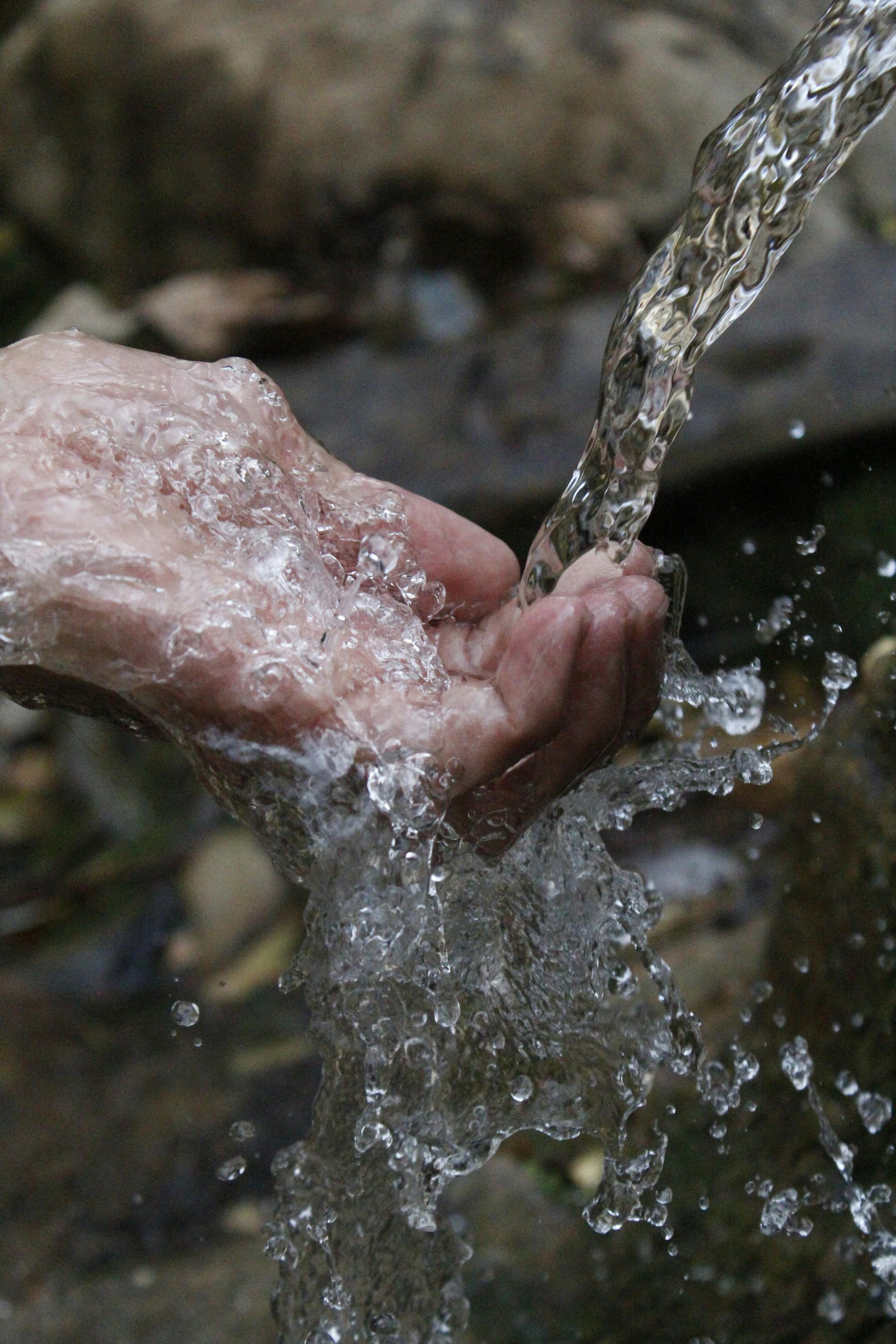
Common Causes of Low Water Pressure
Low water pressure can be caused by hidden leaks, mineral buildup inside pipes, corroded plumbing, faulty pressure regulators, or issues with the main water supply line. In some cases, the problem may be localized to one fixture, while other situations impact the entire home.
Why Low Water Pressure Should Be Investigated
Ignoring low water pressure can allow leaks or pipe damage to worsen unnoticed. Reduced pressure may indicate a developing plumbing issue that could eventually lead to pipe failure or water damage. Professional inspection helps identify the cause and restore consistent water flow.
Why is my water pressure suddenly low?
Sudden drops in pressure are often caused by leaks, pipe damage, or issues with the main water supply.
Can low water pressure affect only one fixture?
Yes. Fixture-specific issues may involve clogged aerators or localized pipe problems.
Is low water pressure a sign of a leak?
It can be. Hidden leaks often reduce pressure throughout the home.
Will low water pressure damage my plumbing?
The pressure itself doesn’t cause damage, but the underlying issue can worsen if left unaddressed.
How do plumbers fix low water pressure?
Repairs depend on the cause and may include leak repair, pipe replacement, or pressure regulator adjustment.
Low water pressure is often a symptom of a larger plumbing issue that shouldn’t be ignored. Addressing the problem early helps restore proper water flow and prevents more costly repairs. Professional service ensures your plumbing system is operating reliably.